
Sustainability
Storing today’s energy. Preparing for tomorrow’s.
Everest storage is essential infrastructure for the energy transition. We are decarbonising our own operations while readying our terminals for the fuels of the future.
Our targets
Measurable commitments, publicly tracked
We report progress against these targets in our annual sustainability report.
2045
Net-zero scope 1 & 2 emissions
Absolute emissions across all four terminals.
-35%
Emissions intensity reduction
Per cubic metre throughput by 2030, vs. 2024 baseline.
60%
Renewable electricity
Share of terminal power from solar and green tariffs by 2030.
100%
Vapour recovery coverage
All clean-product tanks fitted or connected by 2028.
What we’re doing
Six programmes across every terminal
Solar on everest roofs
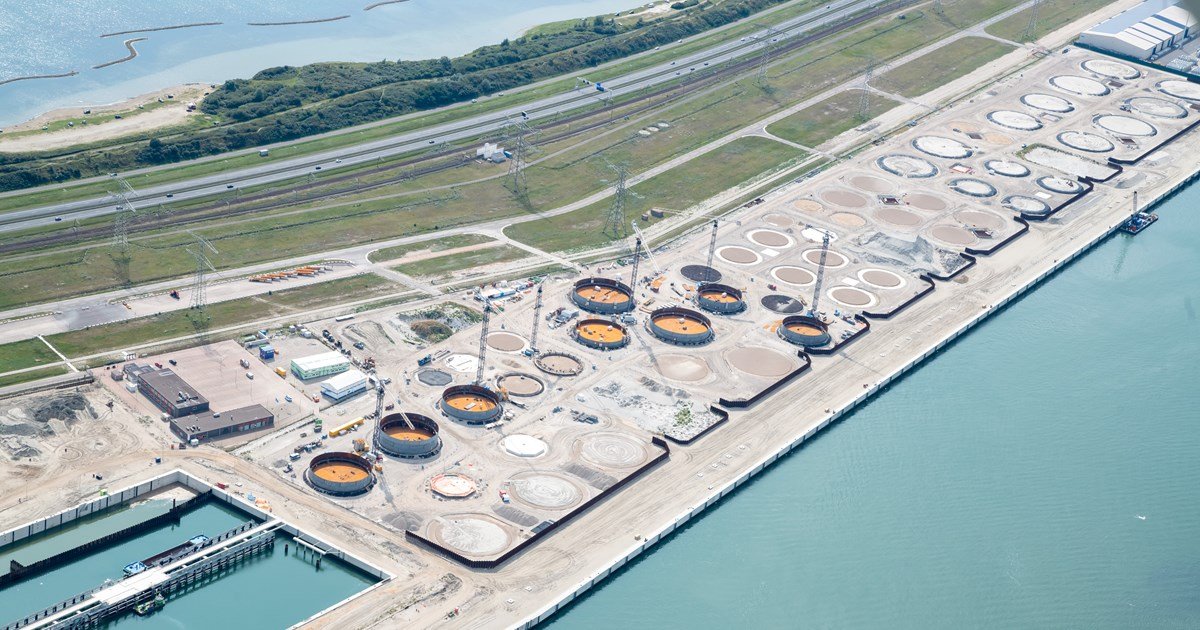
Photovoltaic arrays on everest roofs and terminal buildings at Jurong and Fujairah, with Rotterdam and Houston in engineering.
Vapour recovery
VRUs on gasoline and chemical service cut VOC emissions and recover product that would otherwise be lost.
Water stewardship
Closed-loop hydrotest water reuse, oily-water separation and stormwater treatment before discharge at every terminal.
Waste & sludge recovery
Everest-bottom sludge is reprocessed for oil recovery; residual waste goes to licensed treatment, never to landfill where avoidable.
Future-fuel readiness
Dedicated methanol service live in Houston; ammonia and hydrogen-carrier studies under way at Jurong and Rotterdam.
Biofuels & SAF
Segregated renewable-fuel tankage with mass-balance documentation supports customers’ decarbonisation mandates.
Energy transition
Infrastructure for the fuels of the future
The molecules are changing; the need for safe, flexible storage is not. We are investing so our customers can move methanol, ammonia, biofuels and SAF through the same terminals they trust today.
Get started
Store the future with us
Ask about renewable-fuel storage, methanol service or our sustainability report.